
When and How to Prune Apple Trees

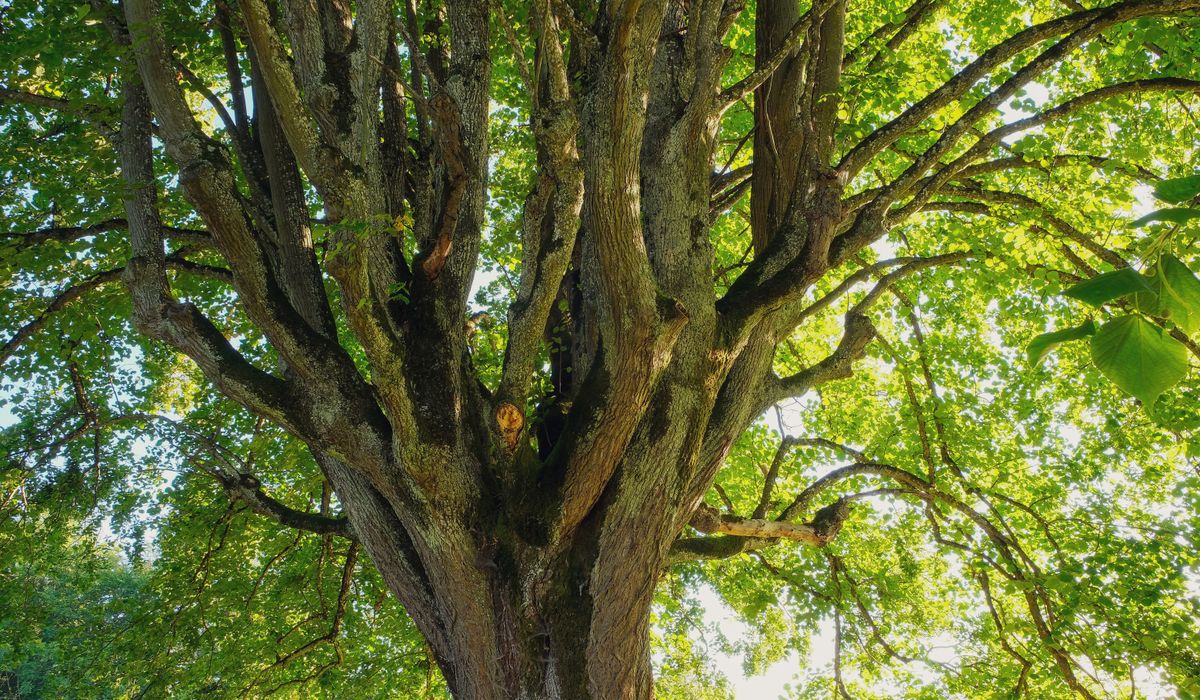
Why winter is the best time to prune apple trees
An apple tree pruned in the dormant season heals faster, crops better and lives longer than one left to its own devices. Between leaf fall in November and the swelling of buds in late February, the tree is asleep. Sap isn't rising, wounds seal over quickly, and you can see the whole branch structure without a curtain of leaves in the way.
Aim for late November to mid-February. Avoid working in hard frost, when brittle wood shatters rather than cuts cleanly, and avoid heavy pruning in autumn before the leaves have dropped, as open wounds at that time are more likely to pick up canker. If your tree is a tip-bearer such as Bramley, Discovery or Worcester Pearmain, winter pruning still works, but the technique is different — more on that below.
One word of caution before you start: birds nest in apple trees, often in dense clusters of twigs you were about to remove. Check carefully, and if you find an active nest, down tools and come back in August.
Tools, cuts and clean technique
You need three things: sharp bypass secateurs for twigs up to finger thickness, loppers for anything up to about 4cm, and a pruning saw for the rest. Bypass tools cut cleanly; anvil types crush the wood and leave a wound that struggles to heal.
- Cut to a bud or a branch. For a shoot, slice about 5mm above an outward-facing bud, sloping away from it so water runs off.
- Never leave a stub. Cut back to the branch collar — the slight swelling where the branch meets its parent. Leave the collar intact; it contains the tree's natural defence tissue.
- Use the three-cut method on anything thick. Saw an undercut a hand's width from the trunk, then a top cut slightly further out so the branch falls away, then a final clean cut to the collar. This stops the weight of the branch tearing a strip of bark off the trunk.
- Clean your blades between trees with methylated spirit or hot soapy water, especially if you have been cutting diseased wood.
Don't paint the wounds. Modern advice is to leave them open to callus over naturally.
Start with the three Ds: dead, diseased and damaged
Before you think about shape, clear the rubbish. This is the part of pruning that does the most good and carries the least risk.
- Dead wood — brittle, grey and hollow-sounding when tapped. Cut back to live, greenish-white wood.
- Diseased wood — canker shows as sunken, cracked patches with raised edges. Cut well below the affected area, into clean wood, and bin the prunings rather than composting them.
- Damaged or crossing branches — any two branches rubbing together will create a wound that never heals. Remove the weaker of the pair.
While you're at it, take out suckers growing from ground level (they come from the rootstock below the graft and will never fruit true), and watershoots — those vigorous, vertical stems shooting straight up through the middle. They shade the tree and produce leaves rather than apples.
Opening up the centre
The goal is a goblet or wine-glass shape: a short trunk, then a ring of main branches reaching upward and outward with a hollow, airy centre. Sunlight is what ripens fruit and triggers next year's fruiting spurs, and still air is what keeps fungal disease at bay.
A useful test is to stand back and imagine a blackbird flying through the middle of the canopy. If it would have to dodge, you have more thinning to do. Aim for main branches spaced roughly 45cm apart around the trunk, all heading outward, none crossing back through the centre.
Work slowly, and step back every few cuts. It is far easier to remove another branch than to put one back.
Shortening leaders to build fruiting spurs
Once the framework is clear, you can start shaping for next year's crop. On spur-bearing varieties — Cox's Orange Pippin, Egremont Russet, James Grieve and most garden favourites — the fruit forms on short, stubby spurs along the branches.
To encourage them, take the previous season's growth on each main branch (the leader) and shorten it by about a third to a half, cutting to an outward-facing bud. Side shoots can be cut back to three or four buds. Each of those cuts encourages the tree to throw out more spurs rather than long, leafy whips.
If your tree is a tip-bearer, do the opposite. Bramley, Discovery and Worcester Pearmain carry their fruit at the very ends of last year's shoots, so shortening them simply removes the crop. Instead, thin out congested growth and cut back older branches to encourage fresh replacement wood.
Renovating an old tree, and looking after wildlife
An overgrown, neglected apple tree can be brought back, but not in one winter. Spread the work over two or three seasons and remove no more than a quarter to a third of the canopy at a time, always starting with the three Ds. Sawing a tree back hard in a single session shocks it into a mass of watershoots and ruins the shape for years.
After pruning, mulch around the base with well-rotted compost, keeping it clear of the trunk. Avoid high-nitrogen feeds, which push soft leafy growth at the expense of fruit.
Finally, leave a little for the wildlife. A few dead branches, kept where they are safe, are valuable habitat for insects, bats and fungi. Stack your larger prunings in a corner as a log pile rather than burning them, and don't clear ivy from a mature trunk unless it is genuinely threatening the structure — it flowers late in the year and feeds bees and birds when little else does. Prune well, share the space, and the tree will reward you for decades.

Joeby Ragpa
This template is so awesome. I didn’t expect so many features inside. E-commerce pages are very useful, you can launch your online store in few seconds. I will rate 5 stars.
ReplyAlexander Samokhin
This template is so awesome. I didn’t expect so many features inside. E-commerce pages are very useful, you can launch your online store in few seconds. I will rate 5 stars.
ReplyChris Root
This template is so awesome. I didn’t expect so many features inside. E-commerce pages are very useful, you can launch your online store in few seconds. I will rate 5 stars.
Reply