
Caring for Wooden Tool Handles

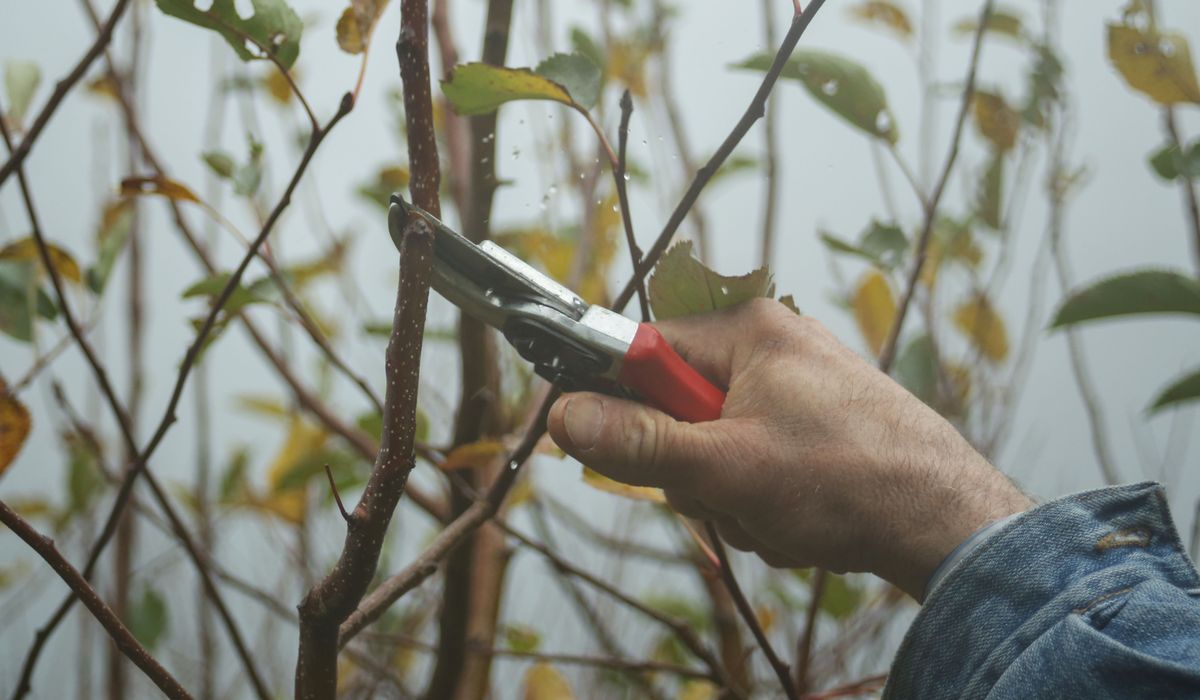
There is something quietly satisfying about a wooden tool handle that has been cared for. It warms in your hand, absorbs the shock of a spade hitting heavy clay, and lasts for decades if you treat it right. But neglect it, and the ash or hickory will dry out, develop rough patches, and eventually crack. A cracked handle can splinter and cause a nasty injury. The good news is that restoring a wooden handle takes less than half an hour, and the main ingredient — linseed oil — costs very little. It is a simple job that pays back in comfort and safety.
Why wooden handles dry out and crack
Wood is hygroscopic: it absorbs and releases moisture depending on the surrounding air. In a heated shed or a sunny greenhouse, handles lose moisture faster than they take it in. Ash, traditional for spades and forks, has a springy grain but dries out quickly. Hickory, used for axes and hammers, is denser yet will also crack if left raw. Once surface fibres dry, they shrink, and repeated use opens small splits along the grain. Linseed oil — pressed from flax seeds — replaces lost moisture with a natural oil that penetrates and cures to a soft, water-resistant finish. It does not seal the handle like varnish, which traps moisture and causes rot. Instead, it feeds the wood, keeping it supple and grippy.
Choosing the right sandpaper and technique
Before oiling, deal with rough patches. You will need 120-grit for light splinters, 180-grit for smoothing, and 240-grit for a final polish. If deeply gouged, start with 80-grit but use it sparingly. Work outdoors or in a well-ventilated space. Wrap sandpaper around a small block for flat areas, and use your fingers for curves. Always sand along the grain, never across it. Wipe away dust with a damp cloth and let the handle dry for an hour. This raises the grain so you can sand again lightly with 240-grit. Pay attention to the junction where wood meets metal; a tiny chamfer there prevents splinters from starting.
- Sand along the grain only.
- Wipe dust with a damp cloth between grits.
- Round the shoulder where wood meets metal.
How to apply linseed oil properly
Choose raw linseed oil for wildlife safety, but it may take days to dry in cool UK weather. Boiled linseed oil cures in 24 hours but contains solvents and metallic driers that are not ideal for organic gardens. For most gardeners, raw oil in summer is a good compromise.
- Pour oil onto a clean, lint-free rag. Never dip the handle into the tin.
- Rub along the grain until the wood stops absorbing oil.
- Leave for 15 minutes, then wipe off excess with a dry rag.
- Hang or rest horizontally for 24–48 hours.
- Repeat two or three times for a dry or new handle.
A good test: after curing, the handle should feel like satin, not sticky soap. If tacky, you used too much oil or did not wipe it off. If you use a tool daily, oil it monthly.
When to treat your tools in the UK garden calendar
Oil handles in late autumn after the last tidy-up, and again in early spring. If you use a tool heavily, check every few weeks. Storage matters too: do not leave tools in water or against a damp wall. Hang them or stand head-up in a dry corner. Avoid direct heat from radiators or greenhouses, which dries wood from the inside out.
Mistakes to avoid and a note on wildlife-friendly gardening
Do not over-oil: a glossy, sticky handle will blister your hands. Never use varnish, polyurethane, or engine oil. Varnish cracks and traps moisture; engine oil contaminates soil. Stick to linseed oil, sparingly. Why does this matter for wildlife-friendly planting? Every well-maintained tool is one less manufactured and discarded. Ash and hickory are slow-growing trees; a handle that lasts thirty years instead of five is a real saving. Using a natural finish avoids petrochemicals leaching into soil around hedges, trees, and wildflower patches. A comfortable tool also makes you more likely to get out and do the planting and pruning that wildlife needs. So take five minutes to sand and oil your handle. Your hands, your tools, and the creatures that share your plot will all benefit.

Joeby Ragpa
This template is so awesome. I didn’t expect so many features inside. E-commerce pages are very useful, you can launch your online store in few seconds. I will rate 5 stars.
ReplyAlexander Samokhin
This template is so awesome. I didn’t expect so many features inside. E-commerce pages are very useful, you can launch your online store in few seconds. I will rate 5 stars.
ReplyChris Root
This template is so awesome. I didn’t expect so many features inside. E-commerce pages are very useful, you can launch your online store in few seconds. I will rate 5 stars.
Reply