
Choosing the Right Garden Spade

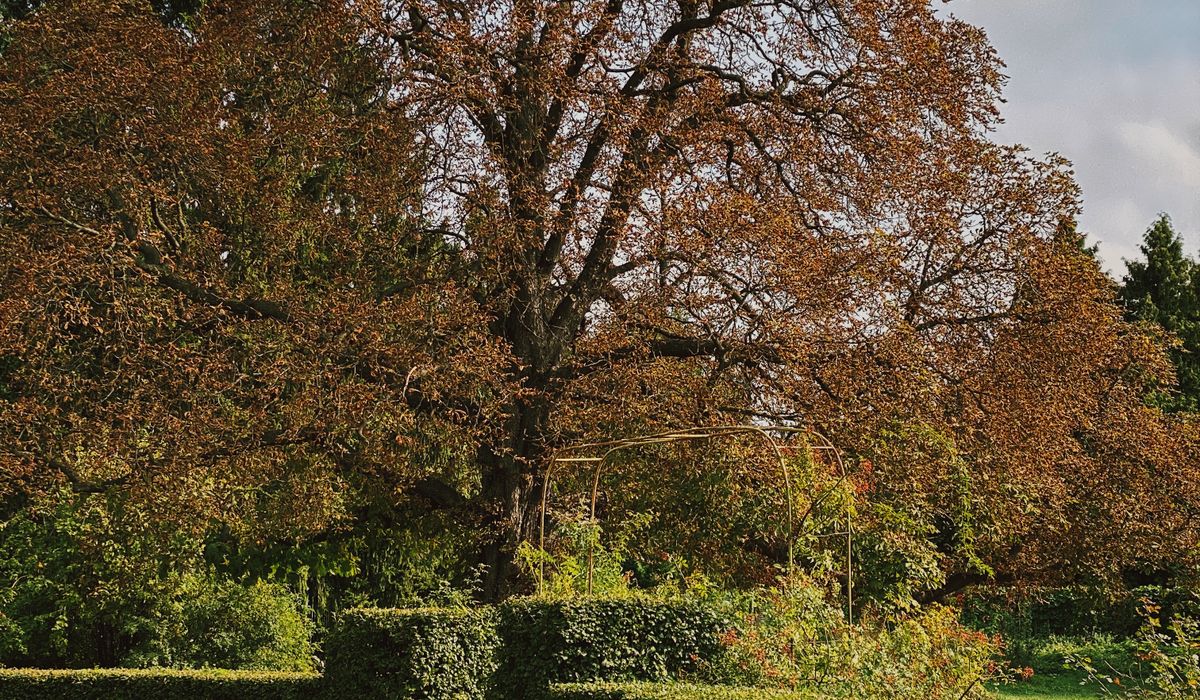
A spade is one of those tools you only truly appreciate when it is right. Plant half a dozen bare-root hedge whips with a badly balanced one and your wrists will tell you about it by teatime. Get the weight, length and edge right, and the same morning's work feels like a pleasure rather than a punishment. Whether you are putting in a crab apple for the birds, laying out a native hedge along a boundary, or lifting a few tired shrubs to make room for something more wildlife-friendly, the right spade lets you work accurately and without a fight.
Start with the head: forged carbon steel makes the difference
Look closely at how the blade was made, because this is where most of your money goes. A forged carbon steel head is shaped from a single hot billet of steel, which leaves the grain of the metal running in the direction that matters. It resists bending, holds a sharp edge far longer and shrugs off stones and heavy clay. Cheaper heads are usually stamped from flat sheet steel and welded at the shoulders, often thin where the wear happens. They flex under load, dull quickly and commonly split near the socket.
Run your eye down the blade. A good spade tapers gently from shoulder to digging edge, so the tip is thinner than the top. A slight curve along the length helps soil release as you lift. Check the socket where head meets shaft: it should be a tight, seamless fit, forged or welded properly to the blade, not a loose collar that rattles straight out of the box. The head should feel solid and satisfyingly weighty, but not so heavy that you tire after twenty minutes.
The shaft and handle — solid ash and a length that suits you
Look for a solid ash shaft. Ash is springy, strong and superb at absorbing shock, which spares your hands and shoulders when the blade hits a buried flint. The grain should run straight up the shaft with no knots near the joint, and no pale filler patches hidden under stain. A light oiled finish is ideal; a thick glossy varnish tends to crack and trap water.
Length matters more than most gardeners realise. Stand the spade upright with the blade on the ground. The top of the handle should sit somewhere between your hip bone and the bottom of your ribs. Too short and you stoop and bark your shin; too long and you lose control and cannot drive the blade with your foot. If you are tall, buy a longer shaft rather than hunching over all season.
Matching the spade to the planting job
There is no single spade that does everything well, so think about what you actually plant.
- Digging spade: full-size head, roughly 19cm wide and 30cm long. The one for tree planting, breaking new ground and lifting decent-sized rootballs.
- Border spade: a smaller head on a standard shaft. Lighter, faster and far kinder for close work among perennials.
- Trenching spade: narrow and long, ideal for a straight, clean edge when you are planting a run of hedge whips.
- Planting spade: a shortened shaft with a narrow head, handy for bare-root trees where you want depth without width.
For putting in a native hedge — hawthorn, blackthorn, hazel, field maple, guelder rose — a border spade is often the quickest tool, because the whips need a slit or small notch rather than a bucket-sized hole. For a container-grown tree, go full size.
Which handle shape works for you?
The YD or double-D handle is the most versatile. Its two curved grips give you real leverage for twisting and levering, and your hand sits naturally whichever way you turn. The T-handle is simpler and gives a strong straight pull, which suits heavy digging but is less comfortable when you rotate the blade. The D-handle keeps your hand from sliding down the shaft and gives precise control for careful work around plants.
Whichever you choose, hold it before you buy if you can. Tug it, twist it, imagine driving it into wet clay. Grips should be smooth, with no ridge digging into your palm.
Good practice for soil and wildlife
A sharp spade does less damage than a blunt one. Clean cuts through roots and turf mean less tearing, less dieback and a better start for whatever you plant. If you are planting for wildlife, work with the soil rather than against it: plant bare-root trees and hedges between November and March while they are dormant, tease out roots gently, and firm in with your heel rather than stamping.
Keep disturbance to a minimum where you can. Leave leaf litter and the top layer of soil in place around established trees, where hedgehogs, beetles and overwintering larvae live. Mulch generously with well-rotted organic matter after planting, and resist the urge to dig everything over each spring — soil life does a better job than most of us.
Finally, clean the blade after use, especially if you garden on more than one site, to avoid moving soil-borne problems about. A quick wipe and a rub with an oily rag is enough.
Sharpening, care and buying well
Keep a flat file in the shed. Follow the existing bevel at roughly 20 to 30 degrees, filing from the top side of the blade only, and never sharpen the back face. Two or three strokes after a hard session keeps the edge keen. Oil the ash shaft once or twice a year with boiled linseed oil, and store the spade head-up, off damp concrete, so the blade does not sit in water. Buy the best forged head and solid ash shaft you can afford, look after it, and it will still be planting your hedges in twenty years.

Joeby Ragpa
This template is so awesome. I didn’t expect so many features inside. E-commerce pages are very useful, you can launch your online store in few seconds. I will rate 5 stars.
ReplyAlexander Samokhin
This template is so awesome. I didn’t expect so many features inside. E-commerce pages are very useful, you can launch your online store in few seconds. I will rate 5 stars.
ReplyChris Root
This template is so awesome. I didn’t expect so many features inside. E-commerce pages are very useful, you can launch your online store in few seconds. I will rate 5 stars.
Reply