
Designing a Wildlife-Friendly Front Garden

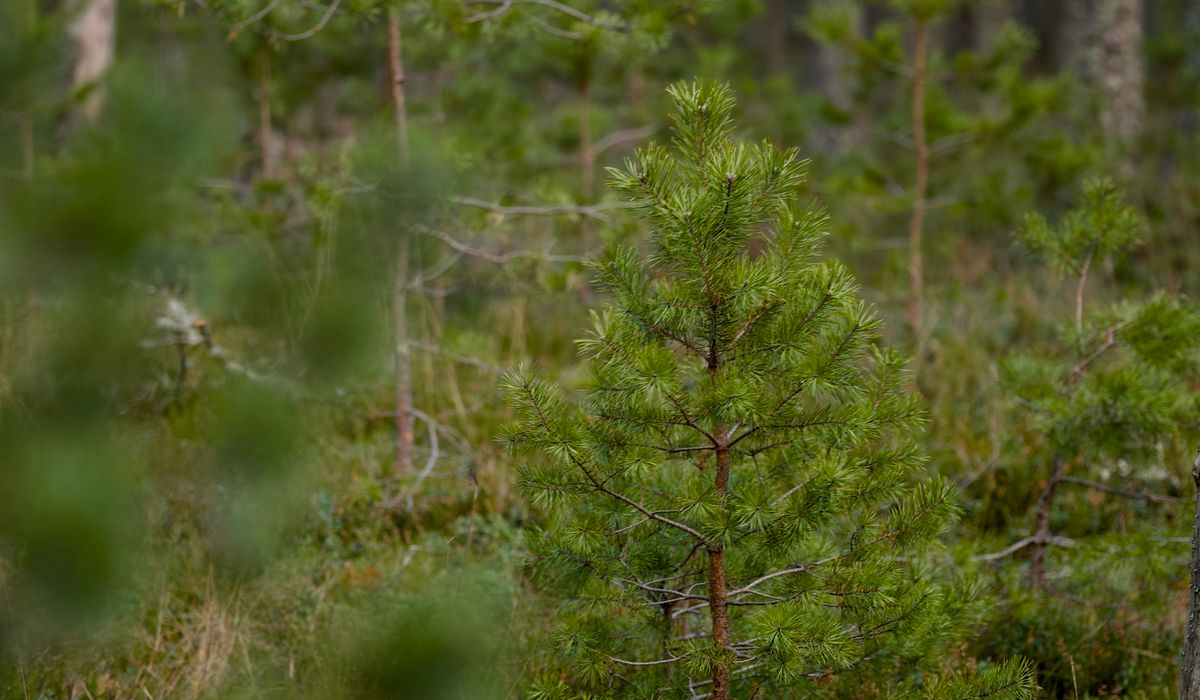
Why the front garden is prime wildlife real estate
Front gardens are often the most overlooked part of a property. They are also the first place birds, bees and butterflies encounter as they move through your neighbourhood. A front garden that offers food, water and shelter can act as a vital stepping stone between larger green spaces. You do not need a large plot or a big budget. The trick is to think in layers: a small tree for height, a native hedge for structure, and berry-bearing shrubs for winter larders. Get that framework right and the planting beneath will do the rest.
Choose a small tree that earns its keep
A single small tree can transform a front garden. It provides perches, nesting sites, blossom for pollinators and fruit for birds. For most UK plots, a native rowan (Sorbus aucuparia) is hard to beat. Its creamy spring flowers feed insects, its scarlet autumn berries are devoured by thrushes and waxwings, and its leaves support dozens of moth species. Crab apple (Malus sylvestris) is another excellent choice, offering pink-tinged blossom in spring and small fruits that blackbirds and fieldfares will strip by midwinter. If your soil is heavy clay, field maple (Acer campestre) is tolerant and its winged seeds feed finches. Plant bare-root between November and March, stake the tree for the first two years, and water it deeply once a week in dry spells. Mulch with well-rotted compost or bark, keeping it clear of the trunk.
Native hedging: the backbone of shelter and food
A mixed native hedge is the single most valuable thing you can add to a front garden. It offers dense, thorny shelter for nesting birds, a corridor for small mammals, and a larder of berries and seeds. Aim for a mix rather than a single species. Hawthorn (Crataegus monogyna) is the classic choice: its dense growth and sharp thorns protect nests, its May blossom feeds bees and moths, and its haws sustain redwings and fieldfares in winter. Add blackthorn for early nectar and sloes, hazel for catkins and nuts, and holly for evergreen cover and berries. For a smaller hedge, consider yew, which is slow-growing but long-lived and provides excellent winter shelter. Plant bare-root whips 30–45cm apart in a double row if you have space. Prune in late winter, after the berries have been eaten but before birds start nesting in March. Never trim a hedge between March and August, as you risk disturbing active nests.
Berry-bearing shrubs for winter larders
Shrubs fill the middle layer and bridge the gap between hedge and ground. Choose those that fruit reliably in the UK. Guelder rose (Viburnum opulus) has lace-like white flowers in summer and translucent red berries that hang on well into winter. Elder (Sambucus nigra) grows quickly and its flowers and berries are both valuable, though you may need to net a few berries for yourself if you fancy making cordial. Spindle (Euonymus europaeus) offers unusual orange-pink seeds that birds such as robins will take. Ivy is a late-season lifesaver: its autumn flowers feed late bees and hoverflies, and its black berries ripen in late winter when little else is available. If you have space for a non-native, cotoneaster and pyracantha are superb berry producers, but native species support far more insect life. Plant shrubs in groups of three or five for visual impact and easier foraging. Leave the berries on the bush rather than cutting them for decoration.
Layer the planting for insects, birds and beauty
Below the shrubs, aim for a mix of nectar-rich perennials, seed heads and ground cover. Lavender, catmint, salvia and sedum are magnets for bees and butterflies. Foxgloves and hellebores provide early nectar. Grasses such as ornamental bents and fescues offer seeds for finches and cover for insects. Spring bulbs — snowdrops, crocus and native bluebells — extend the season. Avoid double-flowered varieties, which often have little or no nectar. Add a shallow dish of water with a few pebbles for a drinking and bathing spot; place it near a hedge so birds have cover. Leave a small pile of logs or leaves in a corner, and resist the urge to tidy every spent stem. Seed heads left over winter feed goldfinches and provide homes for overwintering insects. Even a few square metres can become a mini nature reserve if you plant with purpose.
Practical planting and care without the fuss
Plant bare-root trees, hedges and shrubs from November to March, when they are dormant. Water them well for the first two growing seasons, especially during dry spells. Mulch annually with organic matter, but keep it away from stems to avoid rot. Prune hedges and shrubs in late winter, checking carefully for nests before you cut. Avoid pesticides and slug pellets, which harm the very creatures you are trying to attract. If you feed birds, offer a mix of seeds, nuts and fat balls, and keep feeders clean. But the real secret is patience. A new hedge will take a few years to thicken, and berries may not appear until the second or third autumn. By year five, your front garden will be a genuine haven — and you will wonder why you ever saw it as just a path and a lawn.

Joeby Ragpa
This template is so awesome. I didn’t expect so many features inside. E-commerce pages are very useful, you can launch your online store in few seconds. I will rate 5 stars.
ReplyAlexander Samokhin
This template is so awesome. I didn’t expect so many features inside. E-commerce pages are very useful, you can launch your online store in few seconds. I will rate 5 stars.
ReplyChris Root
This template is so awesome. I didn’t expect so many features inside. E-commerce pages are very useful, you can launch your online store in few seconds. I will rate 5 stars.
Reply