
Spring Tree Care Tasks for UK Gardens

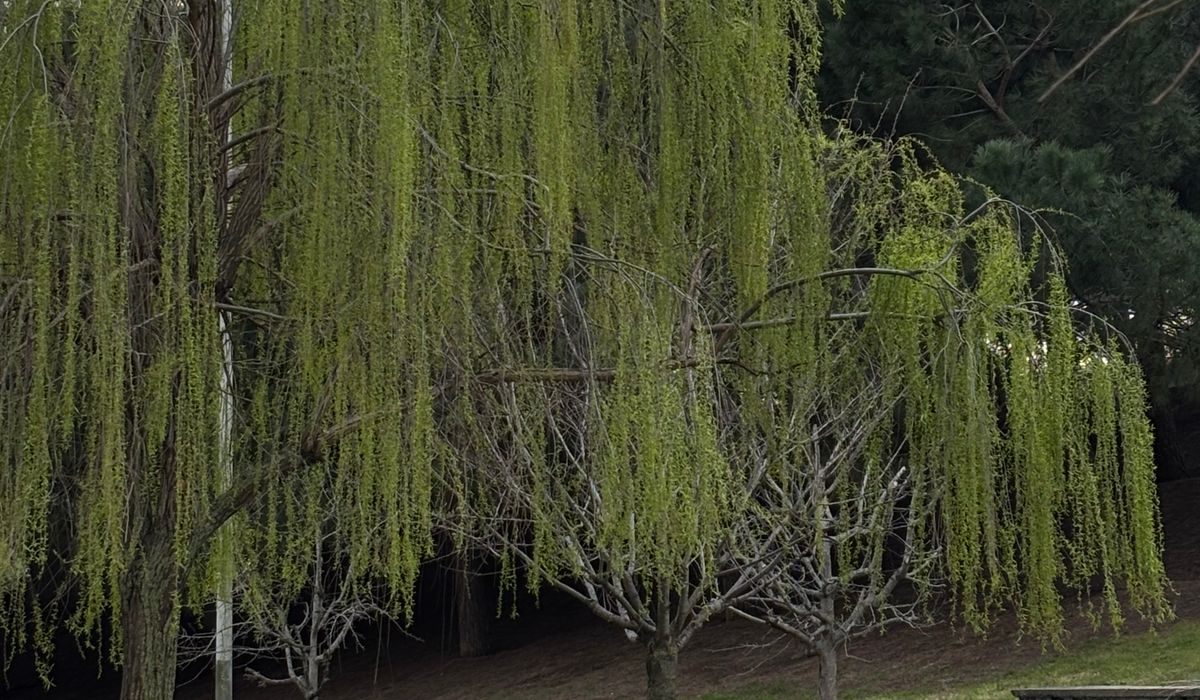
Spring Is the Season for Looking, Not Just Doing
By the time the clocks go forward, most UK gardens are already shifting gear. Buds are breaking, the grass has found its first flush of growth and the birds are busy in earnest. Spring is also the point when a little attention to your trees pays back handsomely for the rest of the year — a loosened tie, a decent mulch, a quiet five minutes inspecting new leaves can prevent problems that would otherwise take hold by midsummer.
The trick is to work gently. Everything you do now happens while the tree is spending energy on growth, so the aim is to support it rather than disturb it. Start with a slow walk around the garden, notebook or phone in hand, and look at your trees from the ground up: base, trunk, branches, buds, emerging leaves. Most spring jobs flow from what you notice on that circuit.
Check Stakes and Ties Before Growth Hides Them
Stakes and ties are the most commonly neglected piece of tree care in British gardens, largely because they disappear under a curtain of leaves by May. Now, while trunks are bare, is the moment to check them properly.
- Look for rubbing or girdling. Any tie that has tightened as the trunk thickened needs loosening immediately. A constricted trunk is weaker at that point and can snap in a gale ten years later.
- Use a figure-of-eight. A good tie passes around the stake and then around the trunk, with the crossing point between them. This holds the tree firm while allowing the trunk to sway slightly — movement is what builds a strong root system.
- Choose soft, broad materials. Rubber ties, wide webbing or hessian are kinder than wire or thin cord, which cut into bark as the tree grows.
- Remove stakes when they are no longer needed. Most small ornamental trees are ready within two or three years; larger or exposed specimens may need longer. A tree still staked after five years is usually a tree that never learned to stand on its own.
- Firm up loose roots. If the tree rocks at the base in wet soil, heel it back in gently rather than stamping, and water it in.
Mulch the Root Zone — Properly
Spring mulch is the single most useful gift you can give a young or newly planted tree. It conserves moisture through summer, suppresses weeds that compete for water and nutrients, moderates soil temperature and slowly feeds the soil life beneath.
Use well-rotted manure, garden compost or a good bark chip, and spread it in a ring rather than a cone. Aim for a layer about 5–7cm deep, extending out to the drip line if you can manage it. The crucial detail, and the one most often got wrong, is the gap around the trunk: keep mulch at least 10cm clear of the bark. Piling it against the stem traps moisture and invites fungal problems, and it also encourages the tree to grow roots upwards into the mulch instead of outwards into the soil.
If the ground is dry, water thoroughly before mulching — that way you are sealing in moisture rather than locking out the rain. A mulch ring also makes strimming safer, since it removes the temptation to get too close to the trunk with a line trimmer, which causes more fatal damage to young trees than almost anything else.
Inspect Emerging Leaves Weekly
New leaves are tender, and pests and diseases know it. A five-minute check once a week from April onwards will catch most problems while they are still small.
- Aphids cluster on soft shoot tips and the undersides of leaves, often on cherry, plum and apple. They leave sticky honeydew and curled leaves. A strong jet of water, plus a healthy population of ladybirds and blue tits, usually keeps them in check.
- Caterpillars — including the small green larvae of moths — can skeletonise young foliage overnight. Pick them off by hand where you find them.
- Fungal spotting. Scabby brown blotches on apple leaves, dark spots on roses and pale orange pustules under pear leaves all point to fungal disease. Rake up and bin fallen leaves rather than composting them, and improve airflow by pruning congested growth in dry weather.
- Wilting blossom and shoot tips on cherry and plum may signal blossom wilt or bacterial canker. Prune affected shoots back to healthy wood, sterilising your secateurs between cuts.
- Distorted or galled leaves are often the work of gall mites. These look alarming but rarely harm the tree; most can simply be tolerated.
Light Feeding, Sensible Watering
Spring is a good time for a balanced slow-release feed around the root zone, particularly for young trees and those in containers. Resist the urge to use a high-nitrogen feed on established trees: it produces soft, sappy growth that aphids adore and that is more vulnerable to late frosts. Water newly planted trees generously through any dry spell in their first two summers — roughly ten litres a week, poured slowly so it soaks in rather than running off.
Hedges and Nesting Birds
Hold off trimming hedges until nesting season is done. Between March and August, active nests are protected by law, and a hedge is prime real estate for blackbirds, robins, dunnocks and sparrows. Where you can, delay cutting until late summer or, for flowering natives such as hawthorn and blackthorn, until after the berries have been taken. If a hedge must be tidied, check it thoroughly first and work around any nests you find.
Planting for Wildlife This Spring
Spring planting suits container-grown stock, and it is the perfect moment to add something that earns its keep. Native and near-native species support far more insects than most ornamentals, and insects feed the birds.
- Hawthorn, blackthorn and field maple for blossom, berries and dense nesting cover.
- Rowan, crab apple and wild cherry for spring flowers, autumn colour and fruit for thrushes and waxwings.
- Hazel, holly and guelder rose for structure and winter food.
- Ivy left to clothe a wall or fence — its late flowers are a lifeline for bees and hoverflies in autumn.
Add a shallow dish of water at ground level, leave a patch of leaf litter undisturbed, and skip the tidy-up under your trees. A garden that looks slightly untamed in April is one that will be alive with birdsong by June.

Joeby Ragpa
This template is so awesome. I didn’t expect so many features inside. E-commerce pages are very useful, you can launch your online store in few seconds. I will rate 5 stars.
ReplyAlexander Samokhin
This template is so awesome. I didn’t expect so many features inside. E-commerce pages are very useful, you can launch your online store in few seconds. I will rate 5 stars.
ReplyChris Root
This template is so awesome. I didn’t expect so many features inside. E-commerce pages are very useful, you can launch your online store in few seconds. I will rate 5 stars.
Reply