
A Beginner's Guide to Pruning Shrubs

Why Pruning Is Worth Getting to Grips With
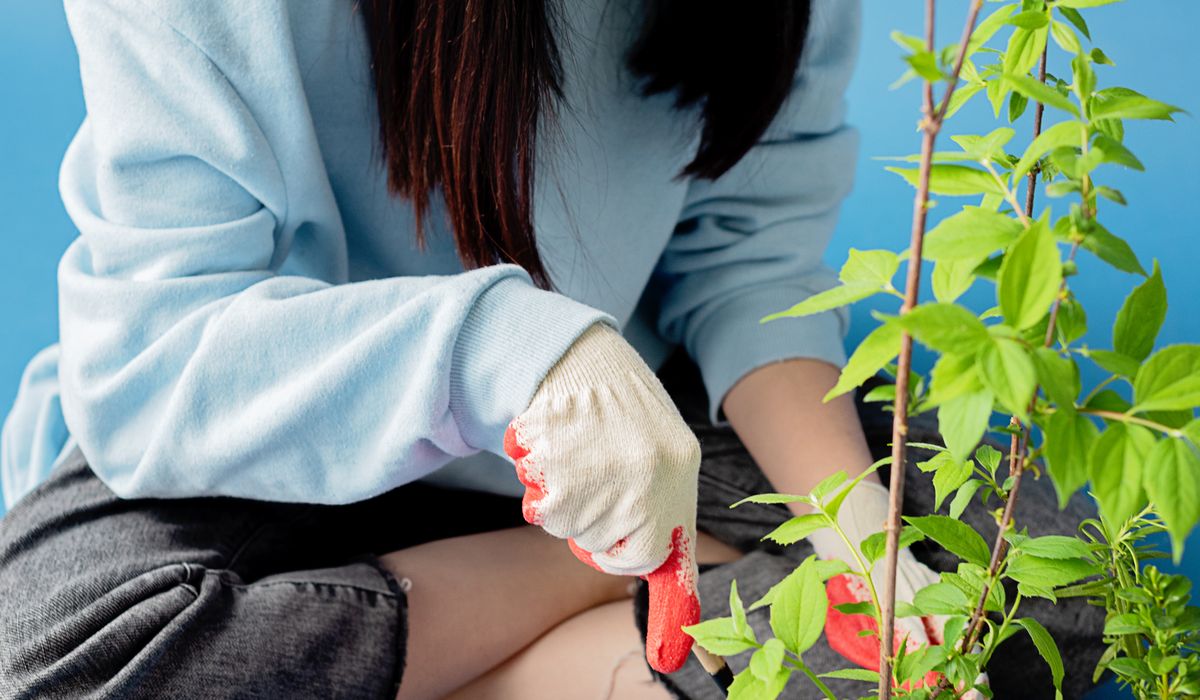
Pruning has a reputation for being fiddly and unforgiving, but the truth is much friendlier. A shrub left entirely to its own devices will usually survive perfectly well — it will simply become leggy, flower high up out of sight, and slowly develop a bare, woody middle where light can no longer reach. Pruning is really just a way of directing where a plant puts its energy. Take out the oldest stems and you push fresh growth up from the base. Trim a shoot back and you encourage side shoots, which means more flowers and a fuller shape.
The other reassuring thing is that most shrubs are remarkably forgiving. Cut something at the wrong time of year and you may lose a season of flowers, but you will very rarely lose the plant. The worst that usually happens is an untidy year.
Start With the Right Tools
You do not need much, but what you have should be sharp.
- Bypass secateurs for stems up to about the thickness of your finger. Bypass blades slice past one another; anvil secateurs crush the stem instead, which damages the tissue.
- Loppers for branches up to roughly 4cm across.
- A pruning saw for anything thicker. Do not force secateurs through a branch that is too big — you will bruise the wood and blunt the blade.
- Sturdy gloves and, for anything thorny, eye protection.
Clean your blades with methylated spirits between plants if you have been cutting diseased material, and sharpen them regularly. A blunt blade tears rather than slices, and a ragged wound is slower to seal and far more likely to let infection in.
The Golden Rule: Cut Just Above a Bud
This is the single technique that transforms pruning from guesswork into something deliberate. Look along the stem until you find a bud or a side shoot, then make your cut about 3–5mm above it, at a slight angle sloping away from the bud. Not towards it.
Why the angle matters: a flat cut holds a puddle of water against the bud, which invites rot. Sloping the cut away from the bud lets rain run off. Cut too close and you damage the bud itself, which often kills it. Cut too far above and you leave a stub that dies back, creating an open wound that travels down towards healthy wood. Aim for the sweet spot in between.
Where you cut also steers the plant. A bud facing outwards will produce a shoot growing outwards, opening up the centre of the shrub to light and air. That is usually what you want. If you are shaping a wall-trained shrub or a hedge face, cut to a bud pointing in the direction you want growth to travel.
For thicker branches, cut back to a side shoot rather than flush against the trunk. Leave the slight swelling where branch meets trunk — the branch collar — intact. That collar contains the plant's own sealing tissue and will heal the wound far better than a flush cut will.
Know When to Prune What
Timing depends entirely on when a shrub flowers, and the simplest way to remember it is this: prune after flowering, not before.
- Shrubs that flower on last year's wood — forsythia, lilac, philadelphus, weigela — should be pruned straight after they finish flowering, in early summer. Prune them in spring and you cut off the very buds that would have flowered.
- Shrubs that flower on this year's growth — buddleja, hydrangea paniculata, caryopteris — are pruned in late winter or early spring, which spurs fresh shoots and bigger blooms.
- Evergreens are best trimmed lightly in late spring or early summer, once growth is underway. Avoid cutting evergreens in autumn, as the wounds will not heal before the cold arrives.
- Hedges generally want a trim in late spring and another in late summer. Whatever you do, avoid cutting hedges between March and August, when birds may be nesting inside them.
There is one exception to all of this: dead, damaged and diseased wood can be removed at any time of year, whenever you spot it.
The One-Third Rule
Never take off more than a third of a shrub's growth in a single session. This is not caution for its own sake — leaves are the plant's food factory, and stripping away too many at once starves it, prompting a desperate flush of weak, sappy growth.
If a shrub has genuinely outgrown its space, renovate it over two or three seasons rather than all at once. Work in this order:
- The three Ds: dead, diseased and damaged stems, cut back to healthy wood.
- Crossing and rubbing branches, which create wounds where disease enters.
- The oldest, thickest stems, cut down to the base to stimulate new growth.
- Then stop — however tempting it is to keep going.
Aftercare and a Few Kindnesses to Wildlife
Give a freshly pruned shrub a mulch of well-rotted organic matter and water it during dry spells, but hold off feeding until you see new growth. Resist the urge to tidy every last seedhead: hips, berries and hollow stems are winter larder and shelter for birds and insects. Leaving a slightly rougher edge to a hedge, or a few older stems uncut, costs you nothing and makes a real difference.
The commonest mistakes are all easy to avoid: blunt tools, cuts made too close to the bud, pruning at the wrong time of year, and taking off far more than a third in one go. Get those four right and your shrubs will do the rest — and you will wonder why you ever found it daunting.

Joeby Ragpa
This template is so awesome. I didn’t expect so many features inside. E-commerce pages are very useful, you can launch your online store in few seconds. I will rate 5 stars.
ReplyAlexander Samokhin
This template is so awesome. I didn’t expect so many features inside. E-commerce pages are very useful, you can launch your online store in few seconds. I will rate 5 stars.
ReplyChris Root
This template is so awesome. I didn’t expect so many features inside. E-commerce pages are very useful, you can launch your online store in few seconds. I will rate 5 stars.
Reply