
Summer Pruning of Trained Fruit Trees

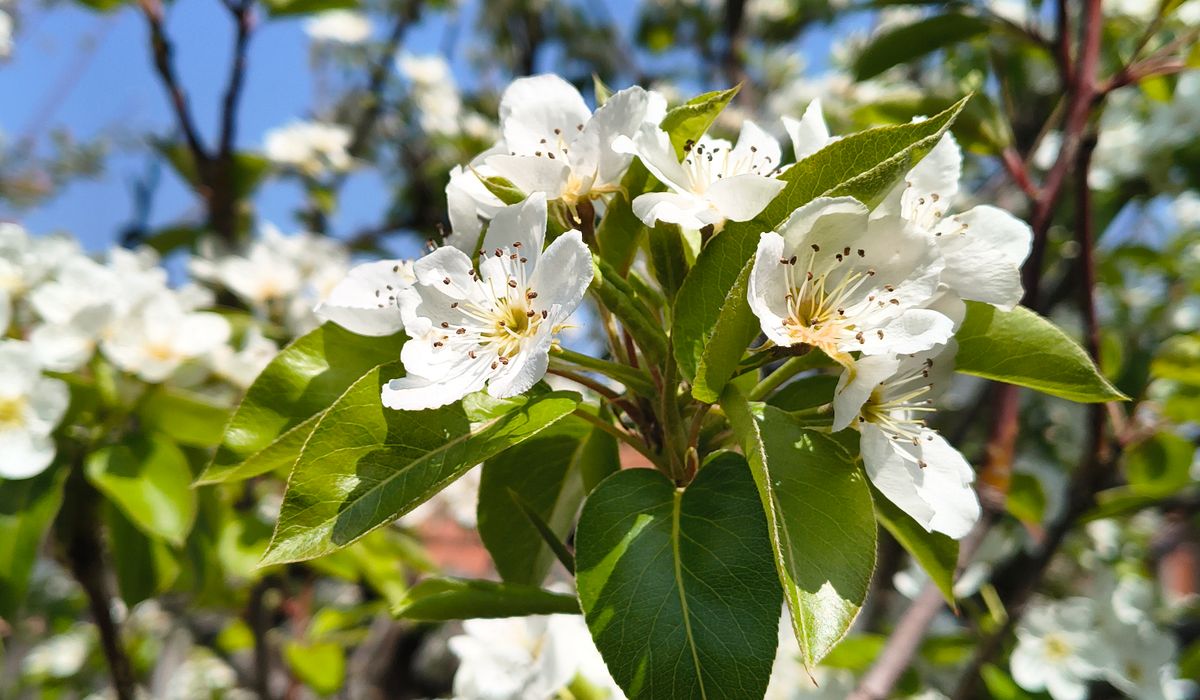
Why trained fruit trees need a summer haircut
Trained fruit trees — cordons, espaliers, fans and stepovers — are grown in a restricted form to fit a small garden, line a path or clothe a wall. Summer is when you do the fine-tuning. Unlike winter pruning, which encourages vigorous growth, summer pruning restrains it. You are not building the permanent framework now; you are persuading the tree to put energy into fruit buds and tidy spurs rather than long, leafy whips that crowd the shape.
The result is a tree that is easier to manage, lets more light and air into the ripening fruit, and crops well next year. For apples and pears grown as cordons or espaliers, a late-summer pass with the secateurs is one of the most useful jobs in the garden.
Timing your summer pruning
Late summer is the window. In most UK gardens, that means late July to the end of August, depending on your region and the season. The shoots should be woody at the base but still soft enough to cut easily. Prune too early and the tree may push out a second flush of growth before autumn. Leave it too late and cuts may not heal cleanly before winter.
A useful sign is when the lower leaves on new side shoots start to darken and the tips stop extending. In a warm southern garden this might be early August; in the north or at altitude, late August is often better. Avoid pruning in wet weather, as damp conditions encourage canker. Choose a dry, settled morning if you can.
The three-to-four leaf rule
This is the heart of summer pruning trained fruit. Look at the new side shoots growing directly from the main stem or from the horizontal arms of your espalier. These would otherwise turn into a thicket. Using sharp secateurs, shorten each of these side shoots back to three or four leaves above the basal cluster of leaves.
Why three or four? That short stub encourages the tree to form a fruit spur — a stubby, slow-growing cluster of leaves and flower buds. The leaves you leave behind feed the buds, but the shoot cannot run away with the tree's energy. On a mature cordon or espalier, you are maintaining a set of spurs along the branches. On a young tree, leave the leading shoots of the main framework unpruned, or tie them in as needed. Only shorten the side shoots.
If a side shoot is already very short — say, two or three leaves — leave it alone. If two shoots compete from the same point, remove the weaker one completely rather than shortening both. Aim for a clean, open arrangement where each spur has room to develop.
Tools, technique and a steady hand
Good pruning is as much about care as rules. Use sharp, clean bypass secateurs — anvil types can crush the stem. For thicker shoots, a small pruning saw may be needed, but most summer pruning is done on soft, narrow growth. Cut just above a leaf or bud, angling the cut slightly away from the bud so water runs off. Do not leave long stubs; they die back and invite disease.
- Work systematically along each branch, starting at the base and moving outwards.
- Keep cuts small and frequent rather than removing large limbs at once.
- Disinfect blades between trees if you have had disease problems, such as canker.
- Collect prunings and bin or burn them if they show signs of pest or disease.
Take your time. Trained trees are often grown close to walls or paths, so you may need to reach carefully. A stable step helps you avoid straining. If you are pruning a fan against a wall, tie in any new shoots you want to keep before you shorten the rest.
Aftercare, feeding and wildlife
After summer pruning, give the tree a little attention. Water young trees in dry spells, especially against a wall where rain may not reach the roots. A mulch of well-rotted compost or bark around the base — keeping it clear of the trunk — conserves moisture and suppresses weeds. Do not feed with a high-nitrogen fertiliser now, as that encourages soft growth you have just worked to restrict. A balanced or low-nitrogen feed in spring is more useful.
For wildlife, a trained fruit tree is a small but valuable habitat. The dense spurs and leaves shelter insects, and spring flowers are a source of nectar and pollen. If you can, leave a few side shoots unpruned on a mature tree, or allow a little ivy at the base of a wall — it provides cover for birds and insects. Avoid insecticides, which harm the very creatures that pollinate your crop and control pests.
Common mistakes to avoid
Even experienced gardeners slip up. The most common error is pruning the leaders — the shoots that extend the main stem or the arms of an espalier. Shortening these distorts the shape and reduces the tree's ability to fill its allotted space. Only prune side shoots to three or four leaves; leave the leaders to grow and tie them in.
Another mistake is being too timid. If you leave long, whippy side shoots, they harden into overcrowded branches. You then have to remove them in winter, which encourages more vigorous regrowth. A confident summer cut now saves work later. Finally, do not prune plums, cherries or other stone fruits in summer in the same way — they are better pruned in late spring or early summer to reduce the risk of silver leaf. This advice is for apples and pears.
Summer pruning becomes a satisfying routine. You will see the shape of your cordon or espalier improve year on year, and the fruit will reward you with a generous crop.

Joeby Ragpa
This template is so awesome. I didn’t expect so many features inside. E-commerce pages are very useful, you can launch your online store in few seconds. I will rate 5 stars.
ReplyAlexander Samokhin
This template is so awesome. I didn’t expect so many features inside. E-commerce pages are very useful, you can launch your online store in few seconds. I will rate 5 stars.
ReplyChris Root
This template is so awesome. I didn’t expect so many features inside. E-commerce pages are very useful, you can launch your online store in few seconds. I will rate 5 stars.
Reply